Collection: Malcolm McLaren
Malcolm McLaren (1946–2010) was one of the most disruptive cultural figures of the late twentieth century — a manager, impresario, artist, and provocateur whose interventions reshaped popular music, fashion, and the relationship between art school thinking and mass culture.
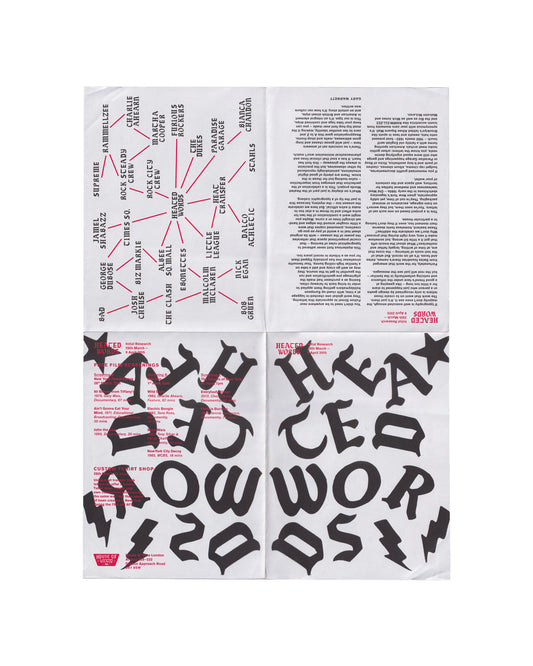
As manager of the Sex Pistols, he engineered one of the most calculated and genuinely destabilising moments in British cultural history. His long partnership with Vivienne Westwood — through the King’s Road shops Let It Rock, Too Fast to Live Too Young to Die, SEX, Seditionaries, and Worlds End — produced the visual language of punk: torn fabric, safety pins, slogans, and a deliberate assault on the conventions of dress and identity.
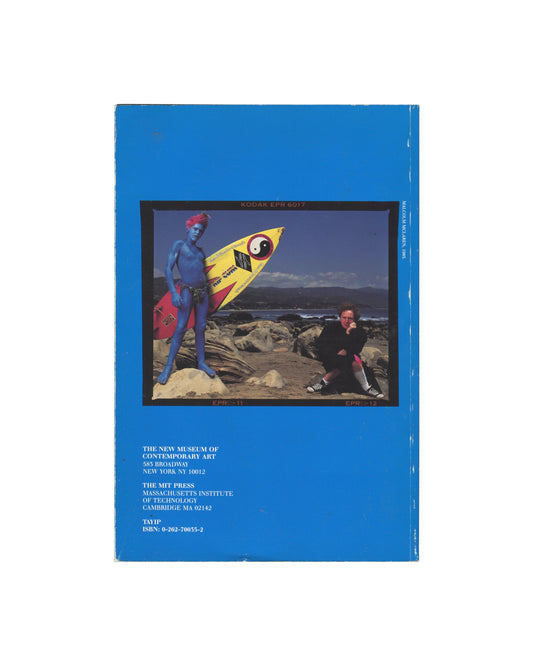
After punk, McLaren moved restlessly across genres and geographies. His 1982 album Buffalo Gals introduced hip-hop scratching and breakdancing to mainstream British audiences. Duck Rock drew on South African township music, Appalachian square dancing, and New York street culture simultaneously. He collaborated with artists, filmmakers, and institutions, and was the subject of the 1988 New Museum exhibition Impresario: Malcolm McLaren & The British New Wave, with a catalogue edited by critic Paul Taylor.
The materials gathered here are printed traces of that practice — catalogues, publications, and ephemera that record the points at which McLaren’s ideas entered institutional and printed circulation.