Collection: Joseph Kosuth
Joseph Kosuth (b. 1945) is one of the founding figures of conceptual art. His practice, established in the mid-1960s, proposed that art is fundamentally a matter of definition: what art is, what language does, and how meaning is produced through the act of presentation rather than through aesthetic form. His 1969 essay Art After Philosophy remains a foundational text of the movement.
Kosuth's work operates through tautology, substitution, and institutional critique. Neon signs, dictionary definitions, photographic enlargements of text, and site-specific installations have all served as vehicles for an inquiry that has remained consistent across six decades: the investigation of art's own conditions of possibility.
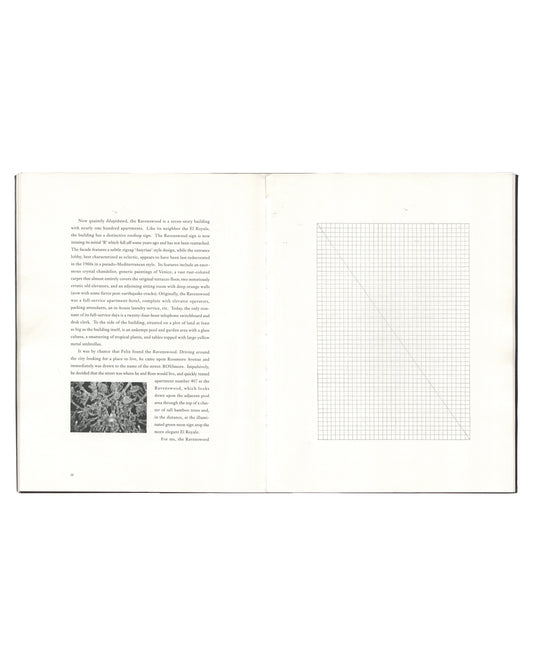
The publications gathered here document exhibitions, institutional surveys, and critical engagements with Kosuth's practice across its full span. Catalogues, artist books, and printed matter from museums and galleries in Europe and North America — objects that carry the argument of the work into another register.
Original period items. Increasingly scarce in commercial circulation.