Lustrum Press
Ralph Gibson — Deja-Vu, Lustrum Press, New York, 1973
Ralph Gibson — Deja-Vu, Lustrum Press, New York, 1973
Couldn't load pickup availability
Softcover, 21.5 × 29.5 cm, black-and-white photographic reproductions throughout. Good vintage condition: light handling wear, surface rubbing, minor creasing, and age toning consistent with a fifty-year-old photographic publication. Clean interior.
Deja-Vu is among the key books of Ralph Gibson’s early period and forms part of the sequence of publications that established him as one of the most influential photobook makers of the twentieth century. Issued through Lustrum Press, the imprint Gibson founded in New York, the book appeared during a moment when photographers increasingly treated the book itself as the primary site of presentation rather than a secondary record of exhibitions or prints.
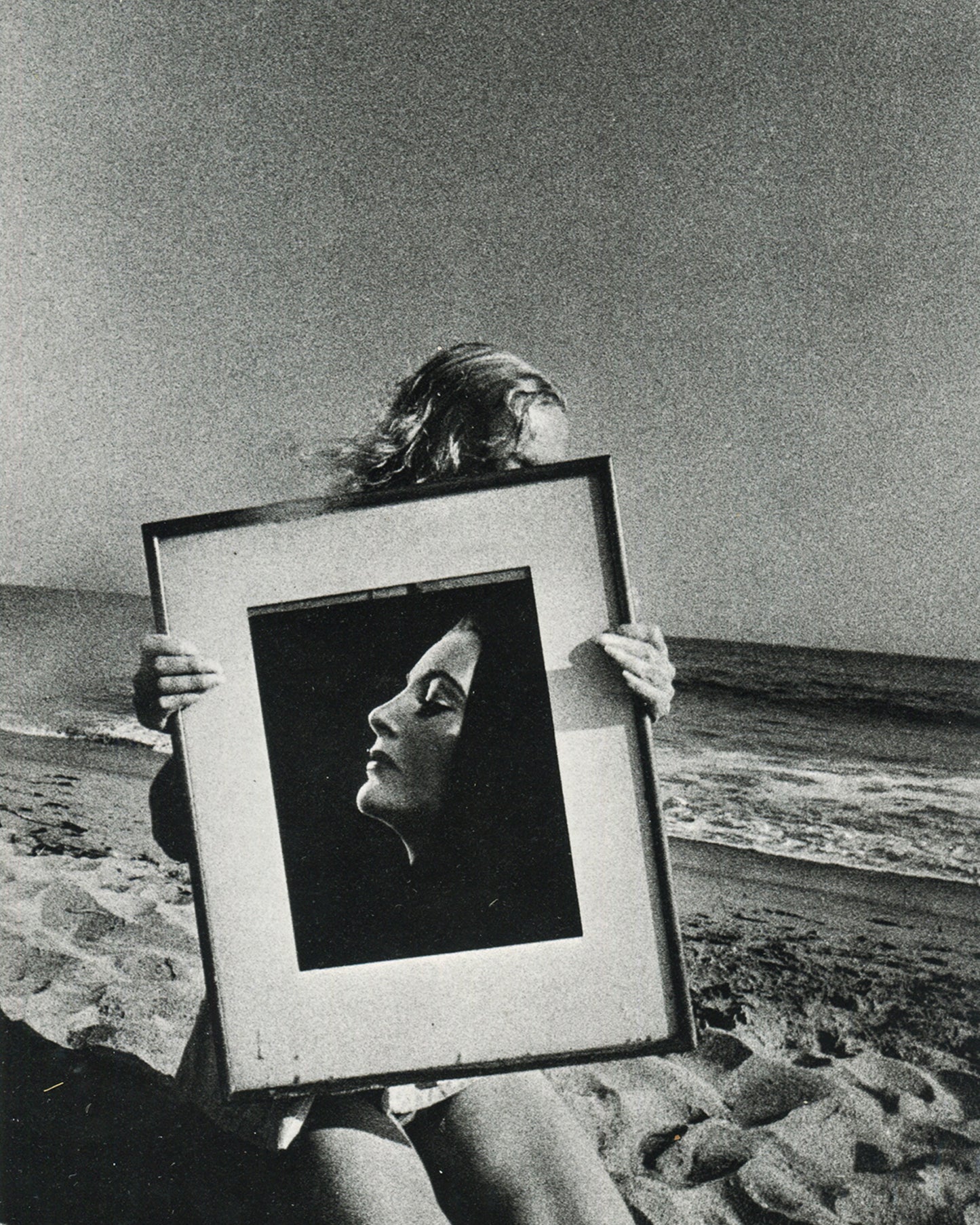
The photographs resist straightforward narrative. Fragments of bodies, architectural forms, shadows, gestures, reflections, and isolated objects appear in carefully arranged succession. Meaning is generated less through individual images than through their placement beside one another. The page becomes a unit of composition.
Published in New York during the same decade that saw the photobook emerge as an autonomous artistic form, Deja-Vu belongs to a lineage that includes Ed Ruscha, Robert Frank, and the growing community of artists using sequencing, repetition, and visual association as material. Gibson’s contribution was to push photography toward something dreamlike and psychological while remaining formally precise.
What remains striking is the economy of the object. Black cover. Title. Image. Sequence. Nothing excessive. The publication operates as a controlled structure through which images move from one page to the next.
Original 1973 copies continue to circulate, though increasingly through specialist photography dealers and institutional collections. As photobook history becomes more closely studied, early Lustrum Press titles have become recognised not simply as photography books but as foundational examples of the artist book as a medium in its own right.
A photographic sequence constructed from recurrence, displacement, and visual memory. Less a collection of photographs than a system for arranging them.
Shipping and handling included in the listed price.
Share